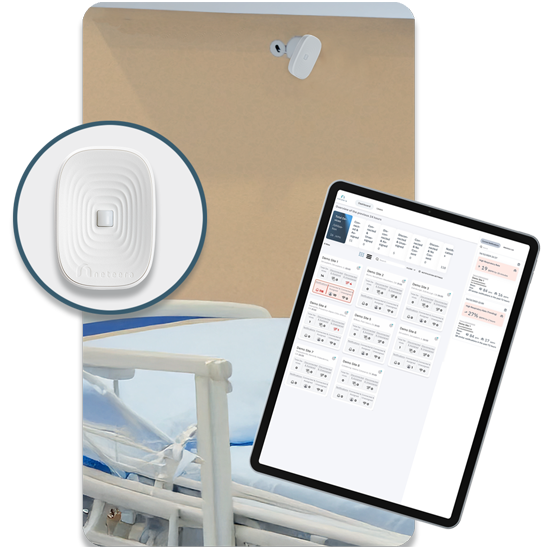
Contactless Patient Monitoring for Hospitals & Health Systems
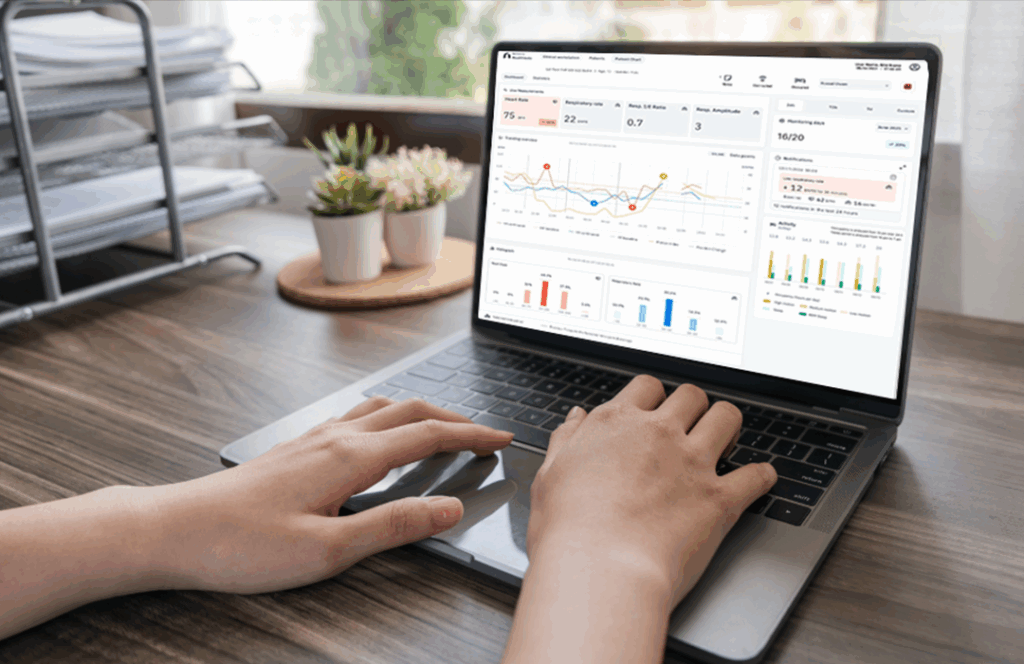
Neteera’s seamless detection capabilities support healthcare professionals in delivering precise and mindful care while prioritizing the dignity of patients.
Contactless Remote Patient Monitoring For Hospitals & Health Systems
BEHAVIORAL HEALTH SETTINGS
Discreetly monitor: Access continuous health data while maintaining the discretion essential in behavioral health care.
Gain early detection: Enable simplified intervention through continuous monitoring.
Assist relapse prevention: Track bed departure patterns to help detect potential relapses in chemical addiction recovery programs.
Detect medication reaction: Identify adverse medication reactions in rehabilitation centers through activity tracking.
EMERGENCY DEPARTMENTS
Aid triage: Provide continuous vital sign observation to help staff quickly identify who needs care first.
Rapidly assess patients: Create nearly instant health snapshots for speedy initial evaluations.
Improve patient flow: Enable providers to anticipate condition changes for smoother department operations.
Reduce wait time: Streamline the prioritization process through wireless monitoring technology.
REHABILITATION UNITS
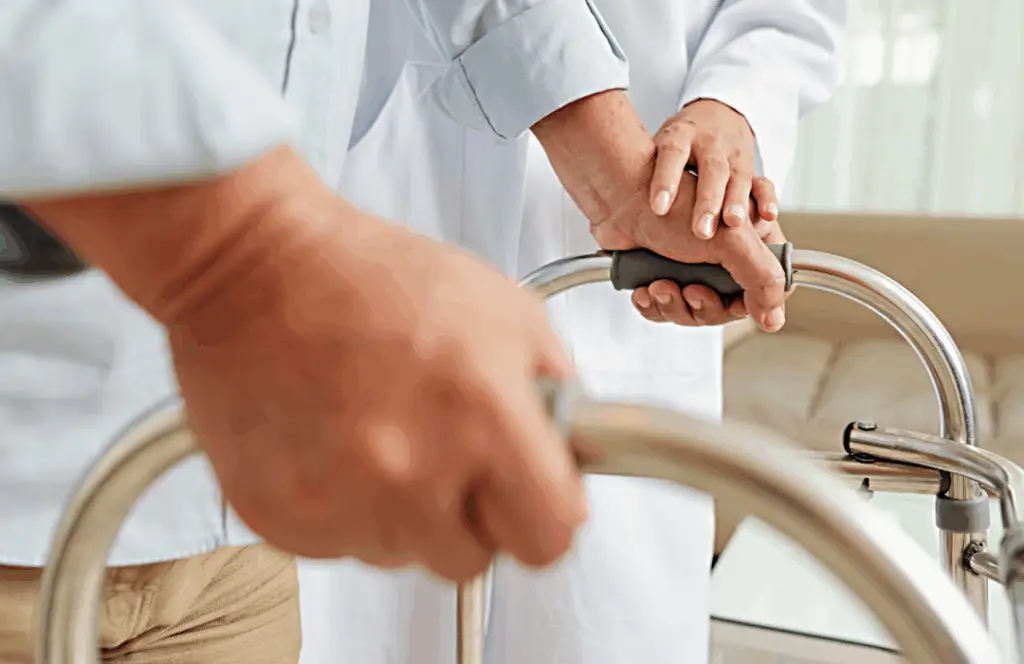
See potential fall risk: Continuous mobility and activity tracking flags declining function during ambulation and therapy, so your team can intervene before a fall becomes an incident report.
Flag deterioration up to 5 days early: Contactless monitoring gives your clinical team continuous awareness of post-surgical and post-injury patients, discovering status changes before they escalate to a transfer or adverse event.
Integrate without disrupting workflows: Neteera connects to your EHR and existing clinical processes, so IT requirements don’t slow down clinical impact.
HOSPITAL AT HOME
Optimize hospital resources: Free up hospital space for immediate care cases while supporting home-based healing.
Use contactless home assessment: Enable remote patient monitoring in the comfort of patients’ own homes.
Aid pressure ulcer prevention: Reduce incidence through continuous activity monitoring.
Detect infection: Identify potential urinary tract infections by tracking bed departure frequency.
Personalize home healthcare: Support the growing market of individualized, home-based medical solutions