A Lot Can Change
Between Checks

Get ahead of the next
rapid response call.

The Neteera System tracks heart rate, respiratory rate, and bed exit, so signs of decline can surface sooner.

Medical-Surgical • Behavioral Health • Rehab Units • Hospital at Home

Hospital Patient Monitoring Without Wearables

Heart Rate

Position Change

Motion
Respiratory Rate
Sleep

Exit Detection
What Neteera Can Mean for Your Hospital

  • Gain earlier awareness of patient decline
  • Prioritize patients by clinical need
  • Support readmission reduction goals
  • Inform length-of-stay decisions
  •  Back quality reviews with objective data
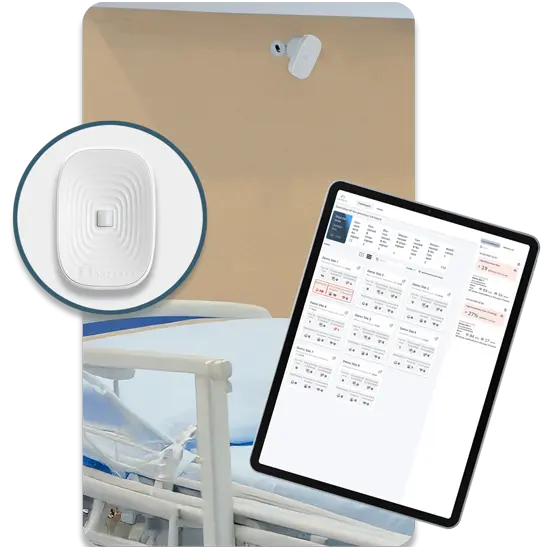
The Neteera sensor mounted over a patient's bed measures vital signs and sends the data to the HealthGate dashboard on a tablet.

From bedside sensor to central dashboard.

• Continuous vital signs and activity data
• Centralized dashboard
• Trend analysis that shows change over time
• EHR connectivity
• No wearables, cameras, or microphones

Contactless Patient Monitoring
Across Your Hospital

Nurse checks on an elderly female patient in the medical-surgical unit.

MEDICAL-SURGICAL

  • Catch decline sooner: Continuous heart rate and respiratory rate trends can reveal changes days early, before they become a rapid response call.
  • Know when patients leave the bed: Bed exit awareness helps your team respond to fall risk, especially overnight.
  • Add coverage, not tasks: No wires, wearables, or patient effort means there’s nothing for nurses to apply, charge, or reattach.

BEHAVIORAL HEALTH

  • Protect privacy: Access continuous health data while maintaining the discretion essential in behavioral health care.
  • Nothing to wear or tamper with: Contactless sensing means no cords or wearables on the patient and nothing to remove.
  • Stay aware between safety checks: Bed exit awareness shows when patients leave the bed overnight.
Counselor in a behavioral health unit sits in an office chair across from a young patient.
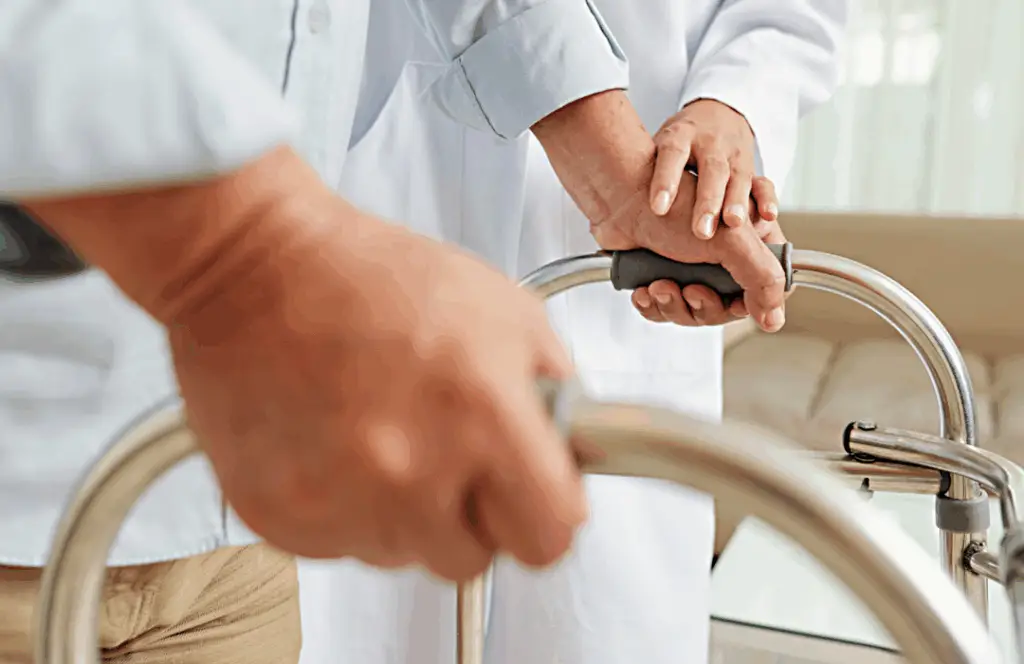
Caregiver assisting a patient using a walker in a rehabilitation setting

REHABILITATION UNITS

  • Know who gets up alone: Bed exit awareness helps staff respond when patients leave the bed.
  • Notice decline sooner: Trends can show changes in post-surgical and post-injury patients between sessions.
  • Fit your existing workflows: The Neteera System connects with your EHR, so IT setup doesn’t slow clinical use.

HOSPITAL AT HOME

  • Optimize hospital resources: Free up hospital space with support for home-based healing.
  • See changes between visits: Continuous trends can surface changes sooner, so your team can decide when to step in.
  • Personalize home healthcare: Support the growing market of individualized, home-based medical solutions.
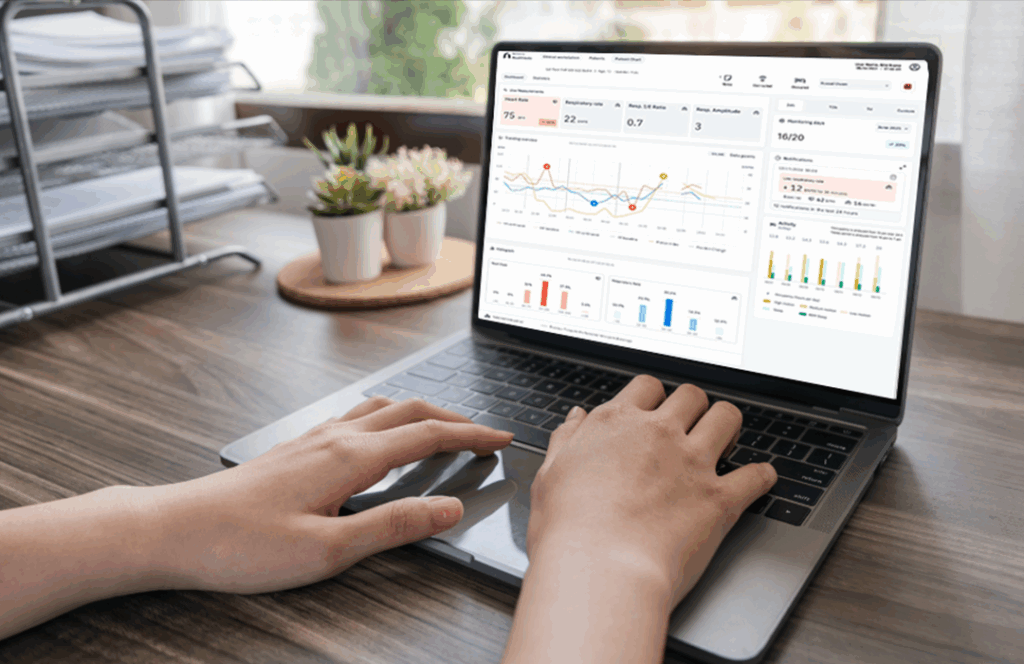
Laptop showing the Neteera dashboard with real-time vital sign trends and activity data for remote hospital-at-home patient monitoring.

See What Continuous Awareness Looks Like in Your Hospital

Take the next step and request a demo today.